
Residential Roofing in Colorado
Roof repair, replacement, and roofing solutions for homeowners across Denver and Colorado’s Front Range, with clear guidance from inspection through completion.
Roof repair and replacement with clear guidance for Colorado homeowners.
Colorado-based • Residential roofing options • Repair and replacement guidance
Colorado-based · Roof repair & replacement · Clear guidance


Roof Replacement Planning
Helping homeowners understand when replacement makes sense & what to expect.
Roofing Material Options
Compare roofing materials and system choices for Colorado homes.
Repair vs Replacement
Guidance on when repairs may still work & when replacement should be considered.
Damage Investigation
Documented inspections and guidance for roof & exterior storm concerns.
Residential Roofing Help That’s Easier to Navigate
From roof replacement planning to repair guidance and roofing system options, EcoShield helps homeowners understand the condition of the roof, the practical next step, and what to expect before work begins.
This page will help you with:
- Roof replacement planning
- Repair versus replacement guidance
- Roofing material and system options
- Storm-related roof concerns
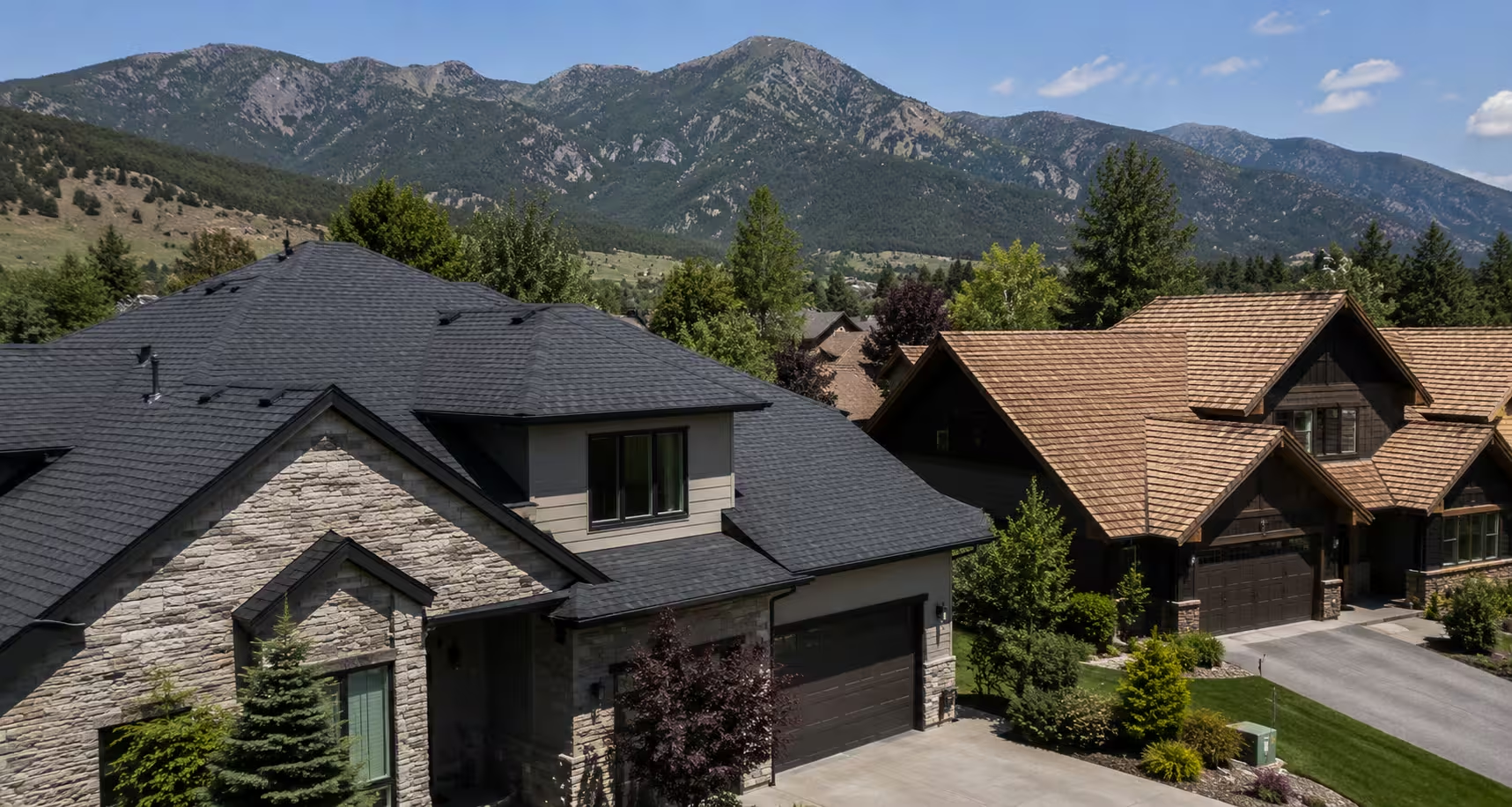
Residential Roofing Built for Colorado Homes
From replacement planning to repair guidance and roofing system options, EcoShield helps homeowners make practical roofing decisions with less confusion and clearer next steps.
Roof Replacement Planning
We help homeowners understand when replacement may make sense, what to expect from the process, and how to prepare for the next step.
Repair Guidance
Not every roofing issue needs a full replacement. EcoShield helps evaluate the roof’s condition, identify areas that may need attention, and determine whether a targeted repair is still the practical next step.
Roofing System Options
We help homeowners compare roofing materials and system choices based on the home’s condition, style, and goals.
Residential Roofing Options We Commonly Help Homeowners Compare
The right roofing material depends on the home, neighborhood, long-term maintenance goals, budget, and exposure to Colorado hail, wind, sun, snow, and temperature changes. EcoShield helps homeowners compare roofing systems based on how those factors relate to durability, maintenance, appearance, and long-term performance.
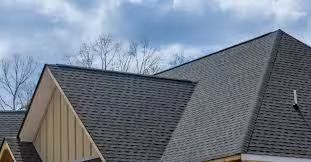
Architectural Shingles (Asphalt)
A common roofing choice that balances appearance, durability, and cost for many Colorado homes.
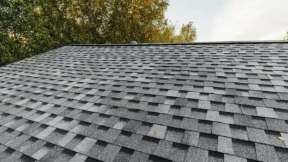
Impact-Resistant Shingles (Class 4)
A smart option for homeowners who want stronger hail resistance and better long-term storm performance.
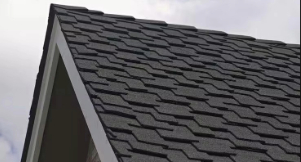
Luxury Shingles (Asphalt)
A higher-end asphalt option that may still make sense in some situations, depending on the home and goals.
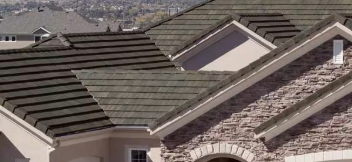
3-Tab Shingles
A more basic asphalt option that may still make sense in some situations, depending on the home and goals.
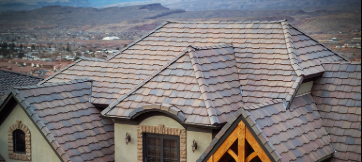
Tile Roofing
Tile can offer strong visual appeal and durability, but repair, replacement, and storm performance should be evaluated carefully.
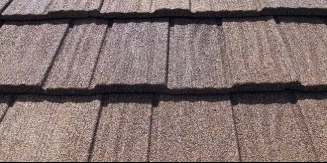
DECRA® Steel Shingles
Stone-coated steel can provide a different blend of style, durability, and impact resistance for some homes.
Sometimes a repair is enough. Sometimes it isn’t.
EcoShield approaches roof concerns with a repair-first mindset, but not every issue should be patched. We help homeowners understand when a targeted repair still makes sense and when the roof condition suggests a replacement conversation should happen.
- Localized issues may still be repair candidates
- Repeated trouble areas may point to something larger
- Roof age and overall condition still matter
- Storm-related damage can change the best path forward
Replacement may need to be discussed when:
- Damage is more widespread
- The roof is nearing end of life
- Storm-related concerns affect more than one area
- Repair would only be a short-term fix
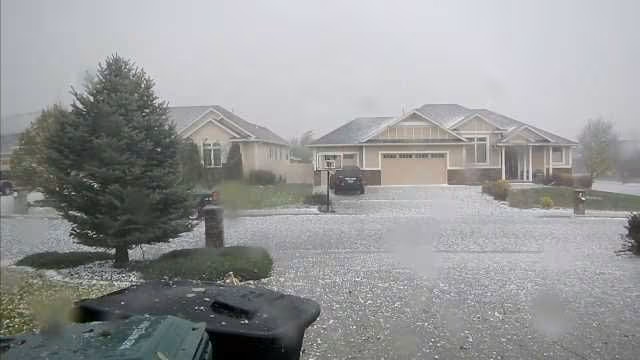
Some Residential Roofing Issues Point to Broader Storm-related Damage
A roof concern does not always stay limited to one visible issue. In some cases, the roof condition may connect to broader storm-related damage that affects other exterior areas and changes the best next step.
- Some roof issues may be tied to wider storm-related concerns
- Visible damage can sometimes point to a larger claim picture
- EcoShield helps homeowners understand when broader review makes sense
Want a Preliminary Roof Cost Estimate?
Use our free Roof & Insurance Cost Calculator to estimate potential roofing and restoration costs, potential insurance contribution when applicable, available credits, and possible out-of-pocket expenses.
Why Homeowners Choose EcoShield for Residential Roofing
Choosing a residential roofing company feels easier when you have a contractor who is responsive, practical, and honest about the right next step.
Residential Roofing Expertise
We help homeowners evaluate roofing decisions with practical guidance built around the home, not a one-size-fits-all sales pitch.
Storm-Aware Recommendations
Denver-area hail, high UV exposure, wind, snow, and temperature swings can affect roof performance. We factor these Colorado conditions into repair and replacement recommendations.
Material Guidance That Makes Sense
We help homeowners compare shingles and roofing systems based on durability, appearance, budget, maintenance needs, and performance in Colorado conditions.
Clear Next Steps
Whether the right answer is repair, replacement, or deeper storm review, we explain the options clearly and help homeowners understand the practical next step for their roof.
Residential Roofing FAQs
What does residential roofing include?
Roofing services for homeowners include inspections, repair guidance, replacement planning, and help comparing materials and next steps for their home.
How do I know if my roof needs repair or replacement?
That depends on the age of the roof, the extent of damage, whether issues are isolated or widespread, and whether storm-related damage is involved.
What roofing materials do you help homeowners compare?
EcoShield helps homeowners evaluate options such as architectural shingles, impact-resistant shingles, luxury shingles, tile, and other roofing systems based on the needs of the home.
How do I choose the right roofing material for my Colorado home?
The right roofing material depends on your home’s design, budget, expected time in the home, maintenance preferences, and exposure to Colorado hail, wind, and temperature changes. EcoShield helps homeowners compare options based on durability, appearance, storm performance, and long-term value rather than recommending the same roofing system for every home.
Should I consider impact-resistant shingles in Colorado?
In many cases, yes. They can be a smart option for homeowners concerned about hail exposure and long-term storm performance.
Can residential roofing issues be related to storm damage?
Yes. Some residential roofing concerns may point to broader storm-related issues that should be documented before moving forward.
Need Help Deciding What Makes Sense for Your Roof?
As a residential roofing contractor, EcoShield helps homeowners move forward with clearer information, practical recommendations, and less uncertainty about roof repair and replacement.