Answers to common questions about roof inspections, replacements, and storm damage in the Denver Metro area.
How often should a roof be inspected in the Denver Metro area?
Roofs in the Denver Metro and surrounding communities should be inspected at least once a year — especially after spring and summer hailstorms.
Annual inspections help catch storm damage, aging shingles, and small leaks before they turn into expensive repairs. Because Colorado experiences heavy hail and rapid freeze-thaw cycles, it is recommended a professional inspection is completed after any major weather event. Routine maintenance helps prolong your roof's lifespan and protects insurance eligibility.
How do I know if my roof has storm or hail damage?
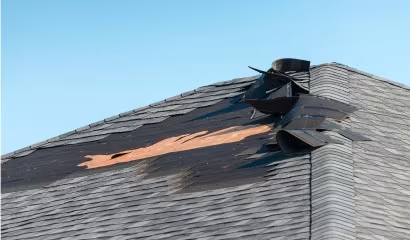
You can often spot hail damage by looking for dented gutters, granules in downspouts, cracked shingles, or missing sections of roofing.
In the Denver Metro area, hail often causes hidden damage that isn't obvious from the ground. Look for bruised shingles, exposed underlayment, loose gutters, or interior ceiling stains. A professional roof inspection can document all damage for your records or your insurance adjuster.
What does the roof replacement process look like?
A typical roof replacement includes inspection, material selection, tear-off, installation, and a final quality check.
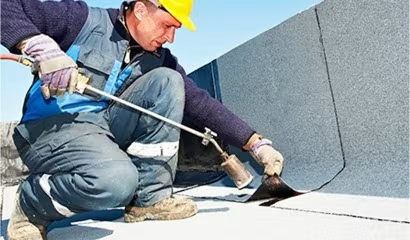
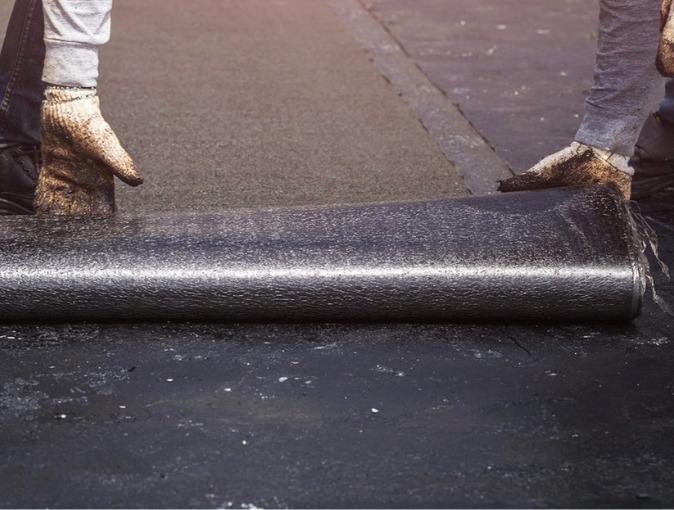
EcoShield's process is designed to be predictable and stress-free. After inspecting your roof, we help you choose materials such as asphalt shingles, metal, tile, or flat roofing. Our local, certified crews handle tear-off, install the new underlayment and roofing system, and finish with a detailed cleanup and walkthrough to confirm workmanship quality.
How long does a roof replacement take in Colorado?
Most Denver Metro roof replacements can be completed in one to two days, depending on size, weather, and materials.
Colorado's weather plays a major role in scheduling—especially during hail season, monsoon storms, and winter cold snaps. Complex roofing structures or premium materials may add time as well. Our team provides a clear timeline and adjusts for weather to ensure your home is protected throughout the project.
Does EcoShield help with roofing insurance claims?
Yes! We help document roof damage, coordinate with adjusters, and keep the insurance claim process moving smoothly.
Our team actively advocates for homeowners throughout the claims process by providing inspections, photos, reports, and clear scope documentation. We work directly with your adjuster to make sure damage is accurately identified and fairly represented, helping your claim stay on track.
What roofing materials are best for Colorado weather?
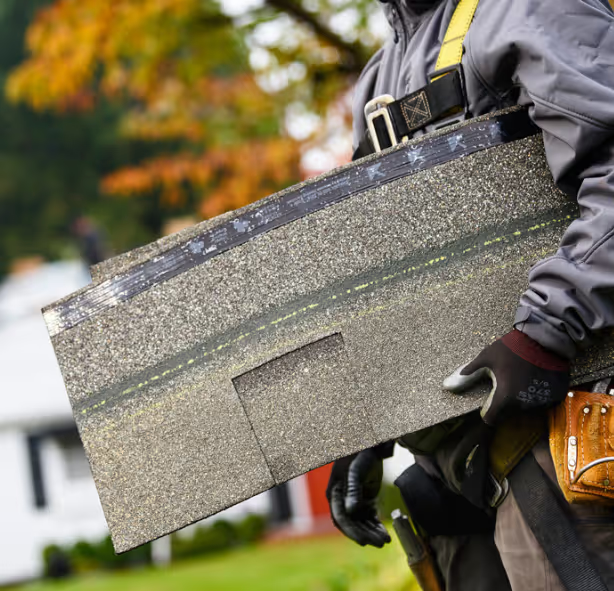
Impact-resistant asphalt shingles, metal roofing, and durable tile systems perform best in Colorado's hail, snow, and intense UV exposure.
Class 4 impact-rated shingles are popular choice for hail protection. Metal roofing offers longevity and excellent snow-shedding properties. Tile roofs provide strong fire resistance an long-term durability. Our team can help you compare materials based on goals, budget, and home style.